Causes and countermeasures for backfires | Preventing backfires in industrial burners
Backfire is a common occurrence with burners installed on production lines. Backfire can not only cause unexpected shutdowns of production lines, but can also lead to serious damage to the burner itself and related equipment, and in the worst case, catastrophic accidents such as factory fires. This article explains the root causes of backfire, specific preventive measures that can be implemented on-site, and how to deal with it when it occurs. *This article mainly explains the causes and countermeasures for backfire in industrial burners that use LPG and LNG as fuel.
Table of contents [hidden]
What is a backfire?
Backfire refers to a phenomenon in industrial burners where the flame that should burn inside the furnaceflows back out of the burner nozzle into the internal components, mixing tube, or gas piping, causing combustion.
Normally, a burner ejects a mixture of fuel and air ("mixed air") from its nozzle, where it burns at the tip. However, if, for some reason, the combustion speed of the flame exceeds the ejection speed of the mixed air, the flame will enter the burner in the opposite direction to the ejection.
This phenomenon is dangerous because the flames can reach the inside of the burner and pipes, causing various serious damages.
Specifically, this includes burnout due to overheating of the burner body, explosions in the gas-mix piping, and damage to control devices and safety equipment. These types of damage require extensive repairs or replacements of the equipment, leading to prolonged production stoppages and increasing the risk of secondary disasters such as gas leaks and fires.
Five causes of backfire and how to prevent it
The five main causes of backfiring are listed below.
We hope that you will be able to understand the specific countermeasures for each cause by comparing them with your own work environment, and that this will be useful as practical information for solving problems.
- Imbalance between combustion speed and gas injection speed
- The fuel-air mixture ratio is incorrect.
- Dirt, blockage, or damage to the burner nozzle
- Errors in the ignition and extinguishing procedures.
- The burner itself is hot (important)
01 | Imbalance between combustion speed and gas injection speed |
One of the fundamental causes of backfiring is an imbalance between the "combustion rate" and the "gas ejection rate."
Combustion rate refers to the speed at which a flame propagates through the unburned fuel-air mixture, and it varies depending on the type of fuel, the mixing ratio, and the temperature. On the other hand, gas ejection rate refers to the speed at which the fuel-air mixture is ejected from the burner nozzle. If the combustion rate exceeds the gas ejection rate, the flame will enter the burner nozzle and flow back into the burner's interior and the fuel-air mixture piping.
- cause
- Insufficient valve opening for mixed gas (insufficient supply pressure)
- Insufficient capacity or inadequate combustion control after adding or replacing burners.
- countermeasure
- Supply of the appropriate gas mix
- Appropriate gas pressure and flow rate conditions based on the burner design specifications.
- Re-selection of appropriate equipment
02 | The fuel-air mixture ratio is incorrect. |
To efficiently and safely burn fuel, burners must operate at the optimal air-fuel ratio (stoichiometric air-fuel ratio). If this balance is disrupted, the combustion becomes unstable, increasing the risk of backfire.
For more information about burner combustion, please see the related article: What is an infrared burner? A detailed explanation of its combustion method and characteristics!
- cause
- Blower airflow or gas flow rate is too high or too low
- countermeasure
- Proper combustion adjustment
- Regular inspections (acquiring combustion data and confirming that the values are within the appropriate range)
03 | Dirt, blockage, or damage to the burner body and nozzle. |
The condition of the burner tip, especially the nozzle and flame holder, is a crucial factor directly related to backfire. If it is not in proper condition, stable combustion will be hindered, leading to flame backflow.
- cause
- Clogged flame holes and adhesion of flammable materials.
- Distortion and deformation of the burner body
- Nozzle clogging
- countermeasure
- Visual inspection during routine checks
- Appropriate cleaning depending on the type of burner
- If there are signs of overheating or obvious damage, replace the part with a new one.
If you'd like to learn about the benefits and methods of burner maintenance (inspection), please start here!
04 | Errors in the ignition and extinguishing procedures. |
During burner operation, ignition and extinguishing are particularly high-risk situations where backfires are likely to occur. Errors in operating procedures at these stages can lead to serious accidents.
- cause
- Discrepancy in ignition and extinguishing timing
- Gas accumulates in a misfired state, leading to explosive ignition when reigniting.
- countermeasure
- Review of operating procedures outside of combustion operation (circuit) based on combustion safety standards.
- Strict adherence to proper driving procedures
- The amount of fuel-air mixture used for ignition should be the minimum appropriate amount.
05 | The burner body is hot. |
If the burner body temperature rises excessively due to prolonged operation, abnormalities, or overheating, pressure builds up inside the burner, making flashback very likely.
- cause
- Overheating of the burner body due to ambient temperature
- Temperature rise near the flame vent
- Overheating due to short distance between the burner nozzle and the object being heated.
- countermeasure
- Exhaust heat release
- Securing cooling air
- Increase the distance between the burner nozzle and the object being heated.
- Shut down immediately in case of abnormally high temperatures.
- Burned burners are not to be reused.
Measures to prevent backfire
Backfires occur frequently, but they are a dangerous phenomenon in combustion equipment that can lead to production line shutdowns, equipment damage, and even fires.
Based on the various causes explained so far, preventing backfires requires not just a quick fix, but a fundamental and planned approach.
- Daily inspections and periodic maintenance
- Regular replacement of burners
- Introduction and review of safety control systems
01 | Daily inspections and periodic maintenance |
The foundation of equipment maintenance in a factory lies in diligent daily inspections and planned, regular maintenance.
There are many items that can be performed daily at the operator level during routine inspections.
For example, visually check the color and shape of the burner flame to ensure it is consistently a clean blue color and that no lifting occurs.
It is also important to use your five senses to check for unusual noises or smells, and to read the readings of instruments such as pressure gauges and thermometers to ensure they are within the normal range. These meticulous daily checks lead to the early detection of abnormalities, increasing the likelihood of addressing them before they develop into major problems.
On the other hand, regular maintenance is carried out by specialized maintenance personnel who perform more in-depth work.
This includes replacing burners, inspecting and adjusting sensors, and testing the operation of safety devices.
These are essential for reliably detecting deterioration and wear that are often overlooked during routine inspections, and for managing the lifespan of parts.
Here are 8 benefits you can gain from regular burner maintenance!
02 | Regular replacement of burners |
To avoid serious problems like backfires, it is essential to shift to a preventative maintenance (time-planned maintenance) approach of "replacing before it breaks." Components such as the burner body, burner nozzle, spark plug, flame detection device, and safety equipment may appear fine at first glance, but they are consumables that gradually deteriorate under harsh operating conditions such as high temperatures, corrosion, and repeated ignition and extinguishing.
The performance of these components degrades over time, increasing the risk of backfiring. Therefore, it is crucial to establish a planned replacement schedule based on the manufacturer's recommended replacement intervals and cumulative operating hours.
03 | Introduction and review of safety control systems |
Most backfires occur due to a combination of human error and minor equipment malfunctions.
To prevent this from happening and ensure a higher level of safety, it is essential to introduce and review safety control systems that utilize modern technology.
In particular, the latest combustion safety control systems (burner management systems, BMS) dramatically improve factory safety by automatically monitoring and controlling aspects that cannot be covered by human judgment alone.
summary
This article explains the mechanism of backfire in industrial burners, its causes, and specific countermeasures.
Backfires occur frequently, but they are not merely operational problems; they are dangerous phenomena that carry serious risks such as production line shutdowns, equipment damage, and even fires.
If backfires are occurring on-site, the cause cannot be identified, or there are concerns that the equipment is outdated and does not meet current safety standards, we recommend that you do not limit yourself to internal responses but also seek an assessment from an external expert. An expert assessment can lead to the discovery of potential risks that you may not have noticed yourself, an evaluation based on the latest safety standards, and a proposal for the most appropriate improvement measures.
Please take this opportunity to strive for the realization of safer and more stable combustion equipment.
Daido Kogyo offers a wide variety of burners in its lineup.
Please feel free to contact us regarding any issues with combustion equipment or drying ovens, maintenance, or installation!

CASE
Combustion Equipment Installation Examples
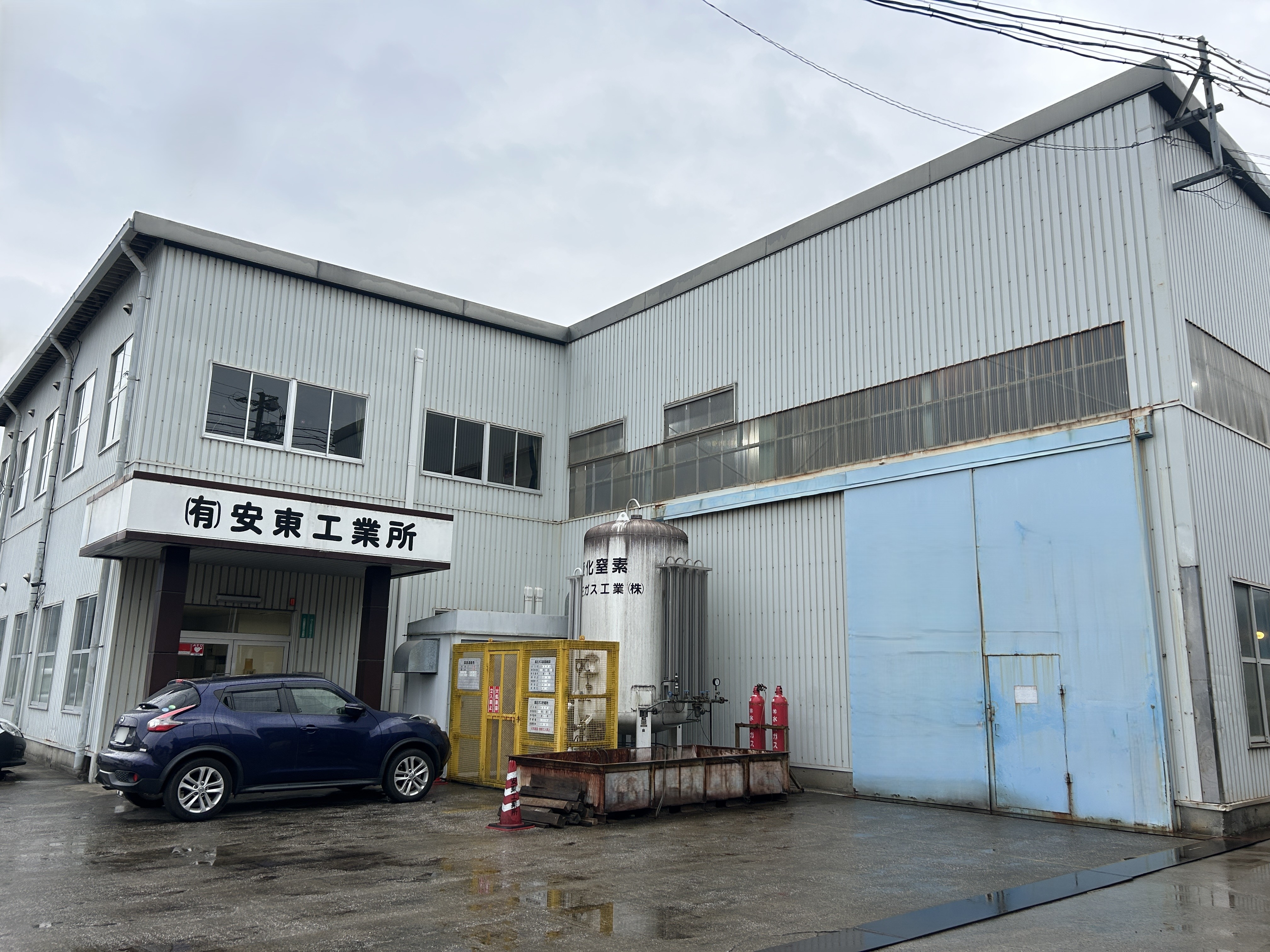
Ando Kogyosho Co., Ltd.
This is an example of the installation of paint drying equipment.
They were able to install the equipment using subsidies.
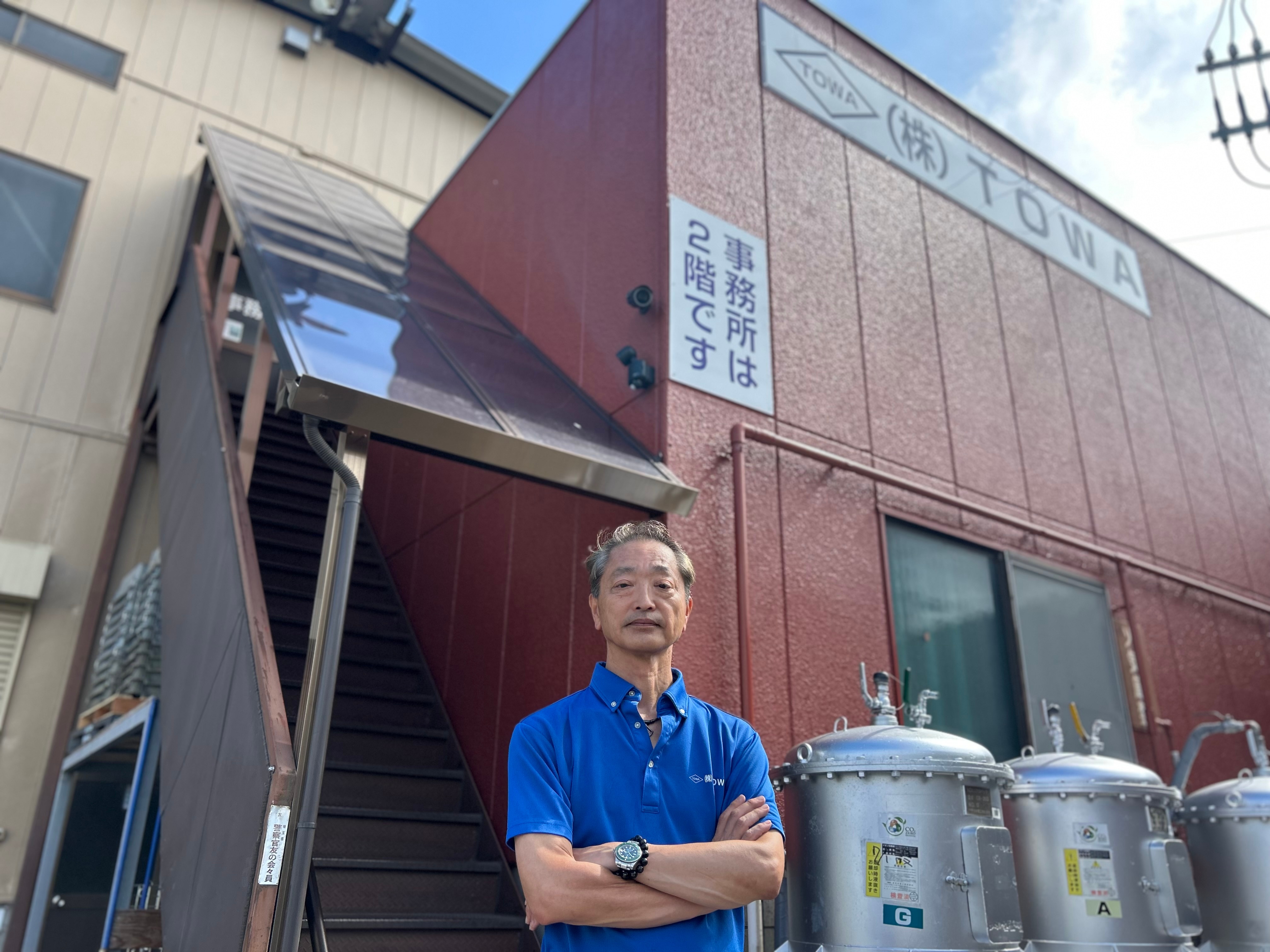
TOWA Co., Ltd.
This is an example of heat-resistant paint for a drying oven. The application was carried out with the aim of improving the environment and reducing running costs.
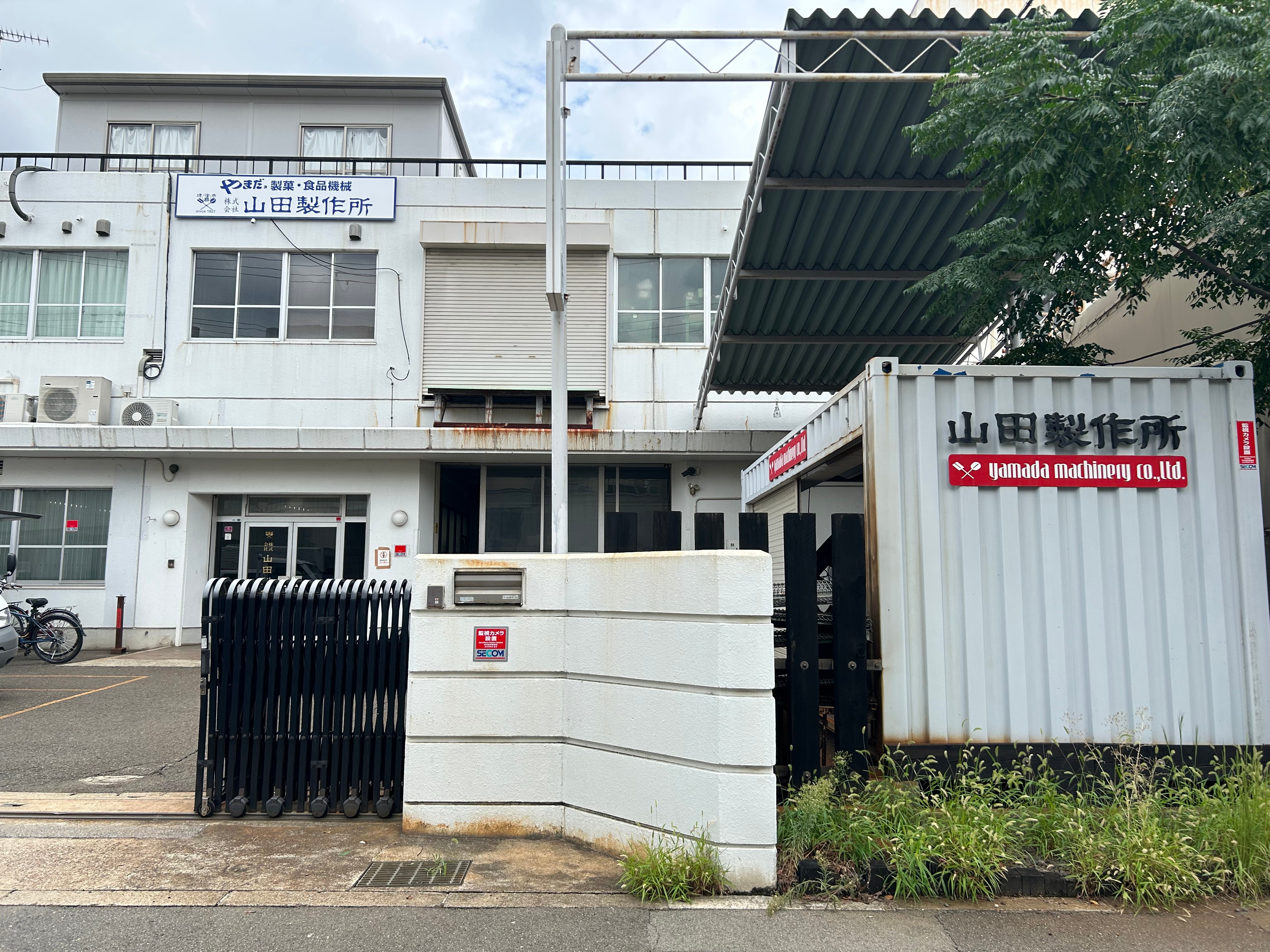
Yamada Manufacturing Co., Ltd.
We will introduce the process from proposing combustion equipment, including burners, to the completion of the machine.