To avoid failure cutting iron, we explain the advantages and disadvantages of the main cutting methods!
Cutting steel is an extremely important process in manufacturing, directly linked to product quality, cost, and productivity. Choosing the wrong cutting machine can lead to problems such as poor processing, increased costs, and delivery delays.
This article explains everything from basic knowledge to specific points to consider when finding the optimal cutting method and machine for those in manufacturing sites to improve production efficiency and processing accuracy. If you are experiencing issues with your current cutting accuracy or efficiency, be sure to read on.
Table of contents [hidden]
- 1.What is iron cutting? Basic knowledge and importance
- 2.Main methods for cutting iron and their advantages and disadvantages
- 2.1.[Fusing] Laser cutting
- 2.2.[Cutting] Plasma cutting
- 2.3.[Fused Cutting] Gas cutting (Oxygen-Acetylene cutting, etc.)
- 2.4.[Shearing] Shearing cutting
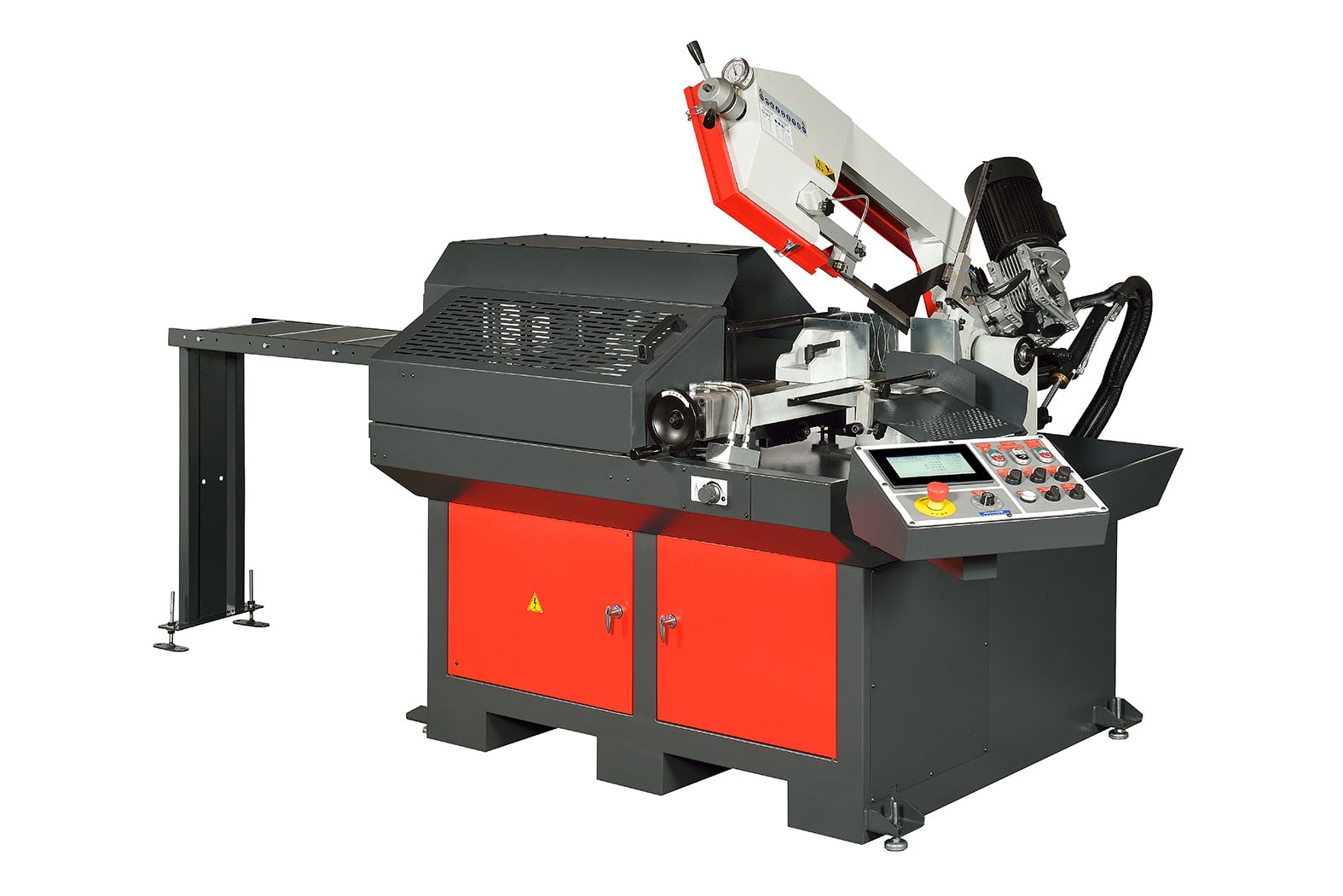
- 2.5.[Cold cutting] Band saw cutting (band saw machine)
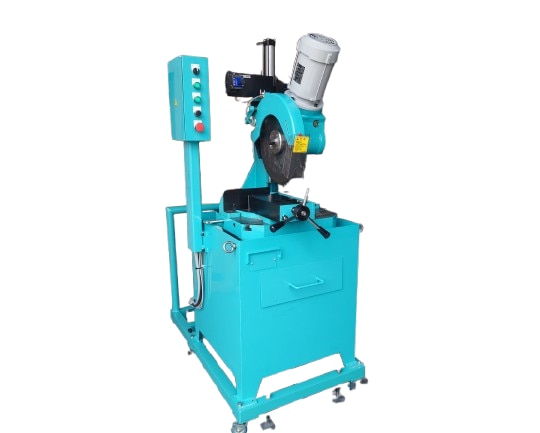
- 2.6.[Cold cutting] Circular saw cutting
- 3.Key points and precautions to avoid failure when cutting iron
- 4.Case studies (band saw cutting machine/circular saw cutting machine)
- 5.Summary_
What is iron cutting? Basic knowledge and importance
Definition and purpose of cutting
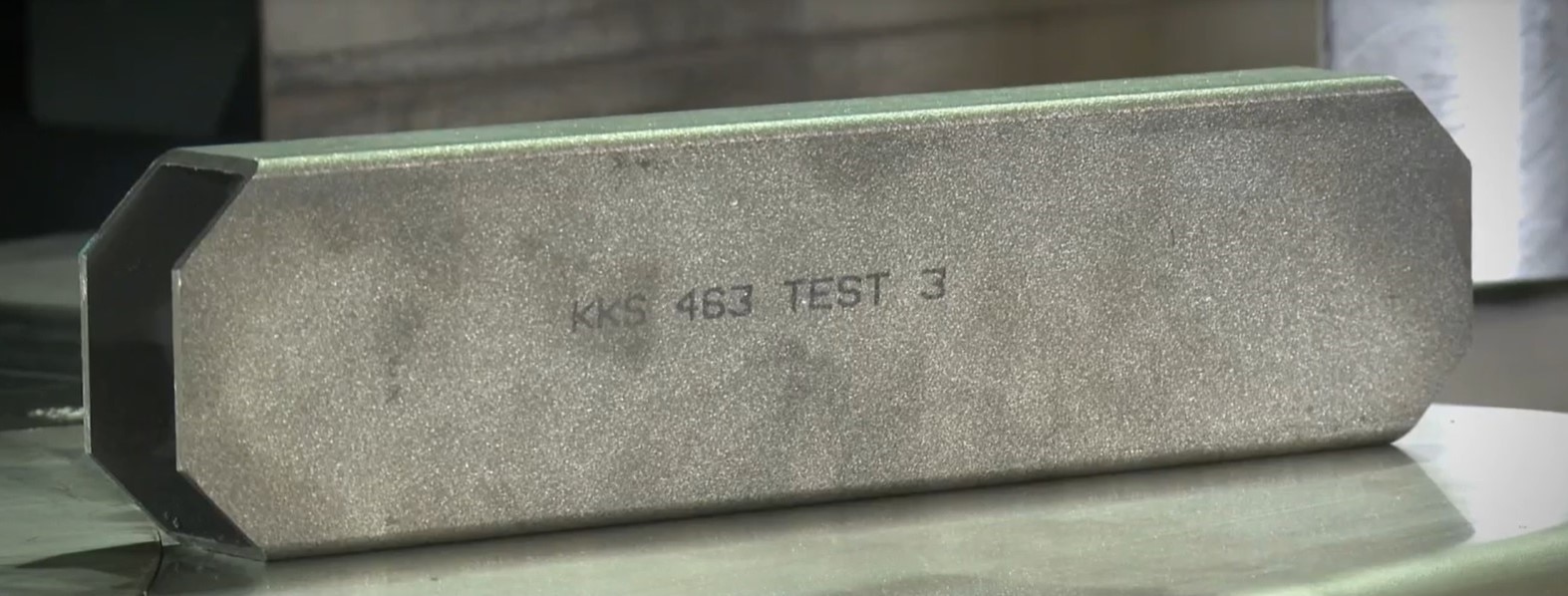
Steel cutting is the process of dividing steel material into specified dimensions and shapes. This is a very important early stage of metal processing, and determines the success or failure of subsequent processes. The main objectives are as follows:
- Creating blanks (materials)
- Pre-processing for complex shape machining
- Removal of defective parts
- Efficiency of transportation and storage
Types of iron (steel) and difficulty cutting
Different types of steel have different chemical compositions and physical properties that affect the difficulty and best method cutting.
- Mild steel (SS400, etc.): Highly versatile and relatively easy cutting.
- Stainless steel (SUS304, etc.): Excellent corrosion resistance, but low thermal conductivity and prone to thermal distortion.
- High-tensile steel (high-tensile steel, etc.): High strength, but care must be taken to prevent cracking and changes in strength due to the heat caused by cutting.
- Alloy steel (SCM series, etc.): High hardness, and measures such as preheating may be required to prevent cracks due to heat.
- Cast iron (FC, etc.): Highly brittle and prone to cracking due to impact or thermal stress.
Main iron cutting methods and their advantages and disadvantages
There are many different methods for cutting steel, each with its own characteristics and areas of expertise. Here we will explain the main cutting methods and their advantages and disadvantages.
[Fusing] Laser cutting
Features: High-power laser light melts and vaporizes materials cutting. 3D cutting of plates and pipes is also possible.
Advantages: It is possible to cut out complex shapes. 3D processing machines are also available.
Disadvantages: Large capital investment, limited thickness, and rough cutting surfaces.
Suitable materials: Parts that require complex shapes made from thin to medium thickness plates (mild steel up to 25 mm, stainless steel up to 15 mm).
[Cutting] Plasma cutting
Characteristics: cutting materials by melting and blowing them away with an ultra-high temperature plasma jet. Between a laser and gas.
Advantages: High speed cutting (medium to thick plates), strong in processing thick plates, relatively low equipment costs.
Disadvantages: cutting surface is rough and dross is easily generated, the heat effect is large, and the accuracy is inferior to that of a laser.
Suitable materials: Medium to thick plates (mild steel up to 100 mm, stainless steel up to 50 mm) for applications where speed takes priority over precision.
[Fusing] Gas cutting (oxyacetylene cutting, etc.)
Characteristics: Preheat with flammable gas, then oxidize and melt the material with pure oxygen to cutting. Limited to carbon steel (mild steel).
Advantages: Capable of cutting extremely thick plates (mild steel up to 300mm or more), lowest equipment costs.
Disadvantages: Slow cutting speed, rough cutting surface, large heat effect and distortion, low accuracy.
Suitable for: cutting thick to extra thick mild steel (carbon steel) plates. Large and thick objects.
[Shearing] Shearing cutting
Features: Two upper and lower blades tear the material with shear force, emphasizing speed in cutting.
Advantages: Very fast, low cost, no heat effects.
Disadvantages: Only straight cutting are possible, there is a limit to the thickness of the plate, and some distortion may occur in the material.
Suitable materials: Straight cutting of thin to medium thickness boards (up to about 25 mm).
[Cold cutting] Band saw cutting (band saw machine)
Features: Mechanical cutting to scrape material with a banded saw blade.
Advantages: Almost no thermal effect, so there is little change in the properties of the material, and high precision cutting is possible. Diverse Materials
(profiled materials, hollow materials, composite materials, etc.) and can be introduced at a relatively low cost. If you bundle it up and cut it, it's better than a circular saw.
You can cutting quickly.
Disadvantages: cutting slower than fusing tends to be slower.
Suitable materials: cutting the size of long materials such as square lumber, round bar, pipe, section steel, etc. We handle everything from high-mix, low-volume production to mass production.
[Cold cutting] Circular saw cutting
Feature: Circular saw blade that rotates at high speed to cutting the material.
Advantages: Faster cutting than band saws. cutting The surface is very clean and there are few burrs, so the hassle of the subsequent process
It can be reduced. It is ideal for fixed-size cutting that require high accuracy, and is easy to automate.
Cons: saw blade Cost and wear are considerations. saw blade The size of the material that can be cutting relative to the diameter depends on it.
Suitable materials: When the cutting of fixed dimensions such as round bars, square lumbers, pipes, etc., high speed, high precision, and beautiful cutting surfaces are required.
High performance in hydraulic piping and exhaust piping.
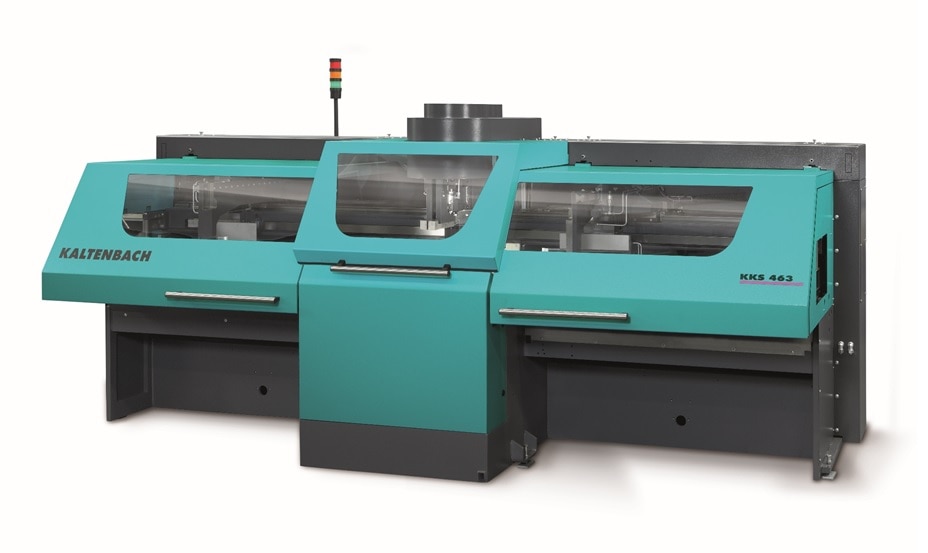
Daido Kogyo mainly deals in band saw cutting machines and circular saw cutting machines.
It is used in a wide range of fields, including the manufacturing of building materials, construction machinery manufacturing, and steel pipe cutting processing.
>>See Daido Kogyo's cutting machine lineup
Important points and precautions to avoid failure when cutting iron
To select the optimal cutting method and machine, it is important to consider the following points comprehensively.
Material: Type of material to be processed (mild steel, stainless steel, alloy steel, etc.), shape (plate, round bar, square bar, pipe, shaped steel, etc.),
Defining the dimensions, and most importantly the thickness and diameter, is the starting point for selecting cutting method and machine.
cutting precision: We clarify the precision (tolerance) and surface roughness of cutting surface required for the final product.
It also affects whether or not post-processing (polishing, deburring, etc.) is necessary and the extent of it.
Cost: Not only the initial cost of introducing cutting machine, but also the cost of saw blade, consumables, electricity, labor, and post-processing costs, etc.
It is important to evaluate the total running costs.
Heat effects: Thermal cutting can cause heat effects on the material, which can lead to distortion, deterioration, and cutting.
This risk is almost non-existent, making it an advantage if maintaining the quality of the materials is important.
Safety: cutting work involves high temperatures, high voltages, high speed rotation, and sharp saw blade, so there is a risk of fire, harmful gases, noise, light, and
Safety measures against electric shock and flying debris are essential. Select a machine with ample safety features and create an appropriate working environment.
Maintenance is required.
Production efficiency: Is it small-lot, high-mix production or mass production? What are the delivery and lead time requirements for each part?
It is necessary to select machines with the equipment capacity based on the production plan.
Case studies (band saw cutting machine/circular saw cutting machine)
We will introduce some examples of companies that have improved quality and work efficiency by introducing our band saw cutting machines and circular saw cutting machines (metal saw blade cutting machines).
Takahashi Manufacturing Co., Ltd.
Takahashi Manufacturing Co., Ltd. manufactures and sells civil engineering and construction materials. Their North Kanto sales office specializes in the manufacture of reinforcing steel materials.
Using a band saw cutting machine, the process can proceed smoothly even with a small number of staff.
▼Check out the examples▼

Nikko Co., Ltd.
Nikko Tsuchiura Sales Office sells and processes carbon steel pipes and stainless steel pipes.Fully automatic metal saw blade cutting machineof
Four machines have been installed, improving cutting efficiency and creating a system that can better meet customer needs.
▼Check out the examples▼
summary
To find the best steel cutting method and machine for your company, it is essential to consider the following factors comprehensively:
- Type, shape, and dimensions of the iron material to be processed
- Required precision and surface quality
- Costs (initial costs and running costs)
- Production volume, delivery date, lead time
- Work environment and safety measures
Daido Kogyo handles circular cutting and band saw cutting machines. If you are having issues with your current cutting process or machine selection, please feel free to contact us. Our experienced staff will listen to your specific needs and propose the optimal cutting machine and improvement measures.
We also accept requests for quotes for machines and parts! Please feel free to contact us.