3/4 Automatic Rotary LP Gas Filling Machine
3/4 Automatic Rotary LP Gas Filling Machine
RMAⅡ
Product features
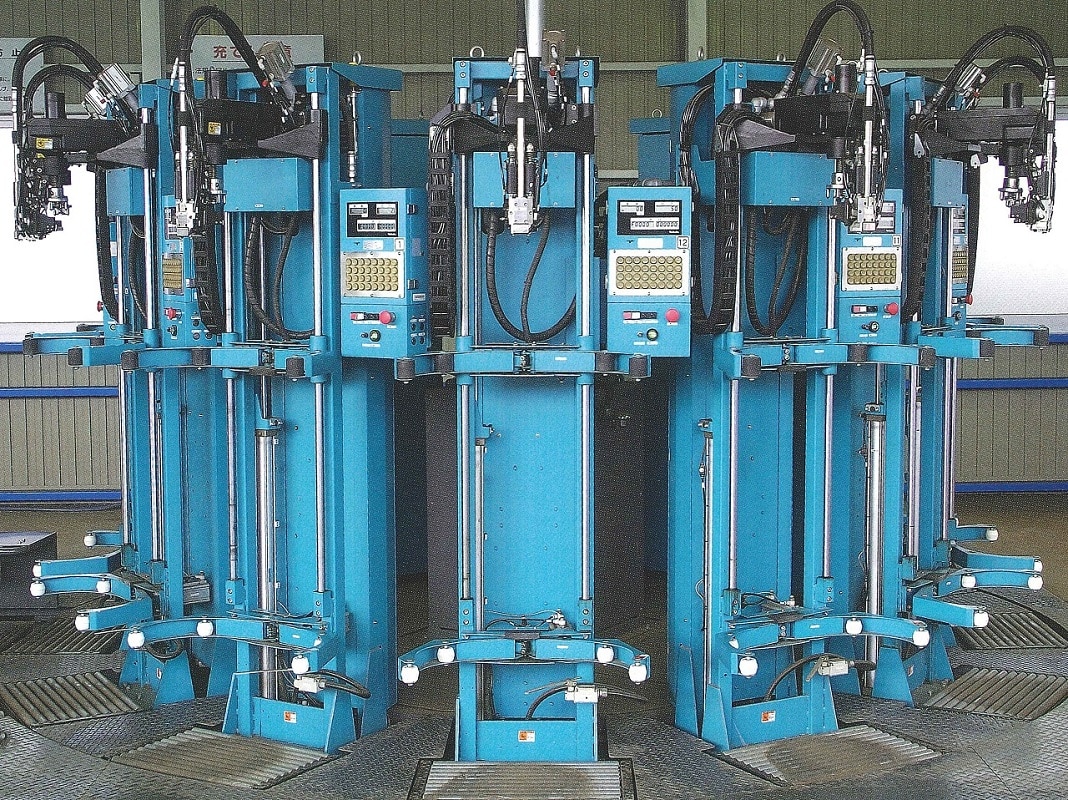
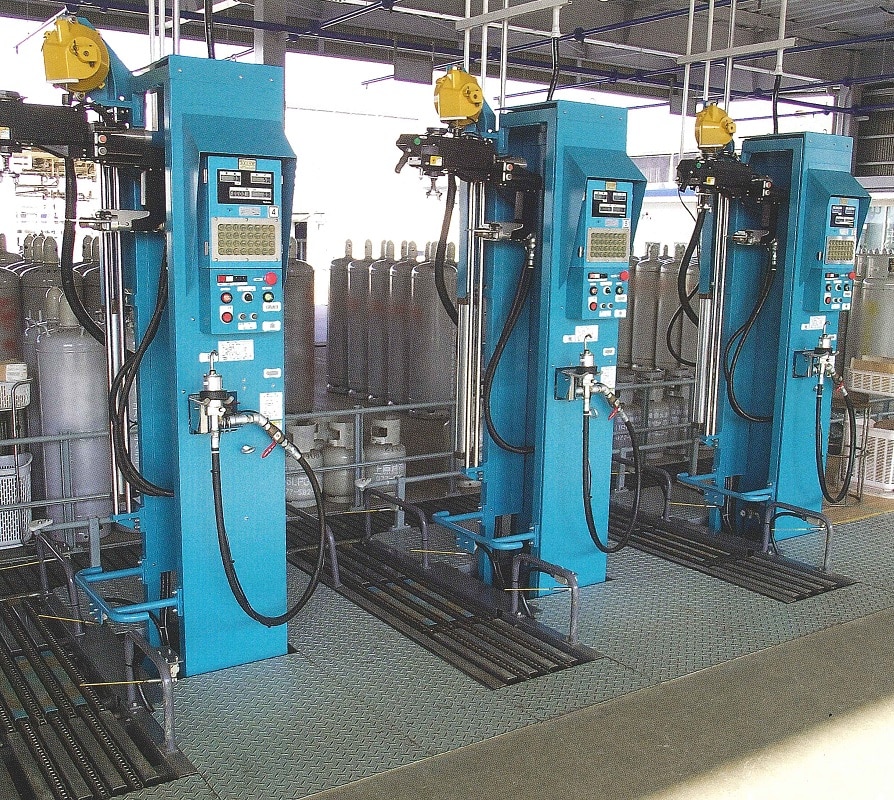
- Only the scanning and alignment of cylinder labels needs to be done manually; the rest is fully automated.
- The large LCD operation panel provides excellent visibility and operability.
- Abundant options such as automatic cap removal device and residual gas meter.
Product Video
FAQ
FAQ
Q.
How much of the 3/4 automatic type is automatic?
A.
The only manual work required by the operator is to scan the labels on cylinder and place cylinder on the turntable.
Opening and closing of valves, removal of cylinder after filling is complete, and cap removal (optional) are all automated.
Q.
What is the difference between this and the semi-automatic type?
A.
The difference from the semi-automatic type is that the filling unit is also attached automatically.
3/4 automatic type: Scan cylinder label ⇒ Carry cylinder in ⇒ The rest is automatic
Semi-automatic type: Scan cylinder label ⇒ Load cylinder ⇒ Attach the filling unit ⇒ The rest is automatic
Q.
Can I still fill the tank even if there is a communication problem?
A.
Each filling machine communicates independently with the office system, so even in the event of a communication problem, all machines except the one experiencing the problem can still be used, minimizing the risk of malfunctions.
Q.
If the turntable or conveyor breaks down, will filling become impossible?
A.
If the rotary table or conveyor breaks down and the entire automatic operation cannot be performed, the rotary filling machine can be used in fixed mode to continue filling.
Q.
What types of cylinder can be filled?
A.
It can fill cylinder from 50kg to 20kg (including siphons).
When filling small cylinder weighing less than 20 kg using a rotary filling machine, there will be a long time wasted (the containers are simply rotating after they have been filled), so we recommend filling them using a separate stationary filling machine.
Q.
I'm worried about gas leaks. Is the automatic valve closing function safe?
A.
The valve closing operation is double-checked by a "torque check" and a "check of the closing end of the valve opening and closing cylinder." If either check is not completed, the filling unit is designed not to come off, so you can use it safely without worrying about gas leaks.
Q.
Please tell me the construction period.
A.
Depending on the conveyor layout, the process can be completed in 9 to 14 days from the start of removal to final inspection.
We will do our best to design the project so that wood working is not required, but if wood working is required, an additional construction period of approximately 1 to 2 weeks may be required.
The actual construction workHerePlease take a look.
Introduction example
Mitsuwa Co., Ltd.
Improving efficiency and safety of filling operations
In preparation for publication
In preparation for publication
Related Products
Related articles
What makes the UNIDACK filling machine so accurate and safe? We will clearly explain the features of Kubota's unique high-precision load cell technology, thorough quality control, and the latest model, "S-EA-IV."
If you have trouble with industrial machinery
Please consult Daido Kogyo first.
Consultations take just one minute. For urgent inquiries, we can also assist you by phone.